Cabo de Gata by car: wild beaches at the end of the road
Volcanic headlands, empty coves and whitewashed fishing villages in Spain's driest corner. Public transport barely exists inside the park — Cabo de Gata is the definition of a road-trip destination.
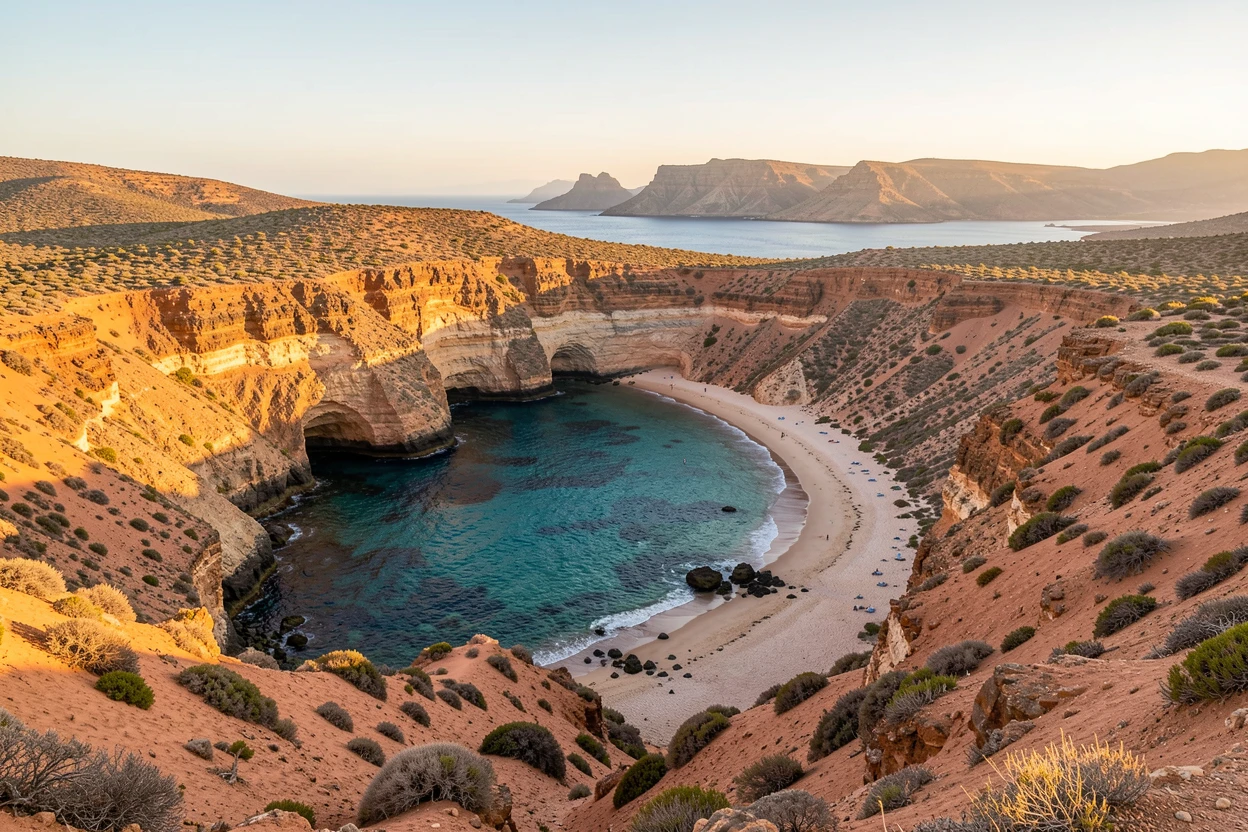
- Playa de los Genoveses and Mónsul — dune-backed beaches with no buildings in sight
- Playa de los Muertos, regularly ranked among Spain's best beaches
- Arrecife de las Sirenas: volcanic spires below the lighthouse
- Rodalquilar's abandoned gold mines and the Amatista viewpoint
- Fishing villages: San José, La Isleta del Moro, Las Negras, Agua Amarga
- Flamingos on the salt flats behind the beach
Getting to Cabo de Gata by car
From the Costa del Sol this is a proper road trip: about 230 km and two and a half hours from Málaga on the A-7, closer to three and a half from Marbella. The motorway runs east past Motril and the plastic-sea greenhouses of Almería; leave it at the exits signed for Retamar and Cabo de Gata to enter the park on the AL-3115, the local road that skirts the salt flats towards the lighthouse. For San José, Rodalquilar and Las Negras, stay on the A-7 a little longer and drop south at the Níjar exits. Two practical notes: fill the tank before leaving the motorway, because petrol stations inside the park are scarce, and download offline maps — phone coverage fades in the valleys. You can do it as one very long day, but the park really rewards at least a night.
Where to park
The villages are the easy part: San José, Las Negras, La Isleta del Moro and Rodalquilar all have free dirt lots at their edges, and outside summer you'll rarely circle for a space. The famous beaches are stricter. In July and August the track to Genoveses and Mónsul closes to cars once its small car parks fill — often by mid-morning — and a shuttle bus runs from San José instead. Playa de los Muertos, near Carboneras at the park's northern tip, has parking areas along the cliff road followed by a steep 15–20 minute path down; wear proper shoes and carry water, because there are no facilities on the sand. Wherever you stop, stick to the marked lots — cars left on verges inside the natural park do get fined.
Beaches a tour bus will never reach
This is why you brought a car. Playa de los Genoveses is a wide, dune-backed crescent with not a building in sight; Mónsul, a little further along the same graded dirt track from San José, is the one with the huge black lava boulder that film crews keep coming back to. A compact car handles the track fine at slow speed. Beyond the village of Cabo de Gata the road climbs to the lighthouse and the Arrecife de las Sirenas — volcanic spires rising out of turquoise water, best in late-afternoon light. In the north, Cala de Enmedio rewards a half-hour coastal walk from Agua Amarga, and Playa de los Muertos earns its place on Spain's best-beach lists year after year with improbably clear water over pale pebbles.
Beyond the beaches: mines, salt flats and viewpoints
The interior is half the show. Above Rodalquilar, the rust-coloured ruins of an abandoned gold-mining complex sit in a volcanic caldera — you can drive almost to the old hoppers and wander around them. The salinas behind Playa de Cabo de Gata still produce salt, and the lagoons attract flamingos for much of the year; there are hides right beside the road. Between La Isleta del Moro and Rodalquilar, pull over at the Mirador de la Amatista, the best coastal viewpoint on the whole loop. And just outside the park, Níjar is worth a stop for its pottery workshops and hand-woven jarapa rugs — a good rainy-day (or too-windy-day) alternative.
When to go
Spring and autumn are perfect: the sea stays swimmable well into October, the beaches empty out and the light turns golden. Summer works if you accept crowds at the headline beaches, real heat and the driving restrictions on the Genoveses–Mónsul track. Winter is the local secret — this is the driest corner of Europe, so odds are you'll get mild, sunny days and whole coves to yourself. Whatever the season, start beach days early: the small car parks reward the first arrivals, and the wind (levante) can pick up in the afternoon. Photographers should plan sunset at Mónsul and early morning at the salinas.
Where to eat
Keep it simple and coastal. The fishing villages all have unpretentious seafront restaurants where the day's catch does the talking — La Isleta del Moro and Las Negras are particularly good for a long grilled-fish lunch, and Agua Amarga has a slightly smarter dining scene. San José, the park's main hub, has the widest choice plus supermarkets for picnic supplies, which matter here: the best beaches have no bars, no sunbeds and no shade, so a cool box in the boot is the smartest thing you'll pack. Inland, Níjar's village restaurants do hearty Almerian cooking at countryside prices.
Worth combining with
The distance from the Costa del Sol makes a loop the smart play. Stay a night or two in the park, then return inland on the A-92 past the badlands of the Tabernas desert — Europe's only true desert, complete with old western film sets — and on towards Granada for the Alhambra as a second act, or up to the Sierra Nevada in the same direction. If you'd rather hug the coast, break the drive home at Nerja and its beaches. Either way, Cabo de Gata pairs naturally with one big inland stop rather than a string of small ones.
Rent a car for Cabo de Gata
Best explored by car. Compact automatic from €28/day — or pick any class.
Parking
Free dirt lots at the edge of San José, Las Negras and Rodalquilar. In high summer the Genoveses–Mónsul road closes once full and a shuttle runs from San José; Playa de los Muertos has cliff-top parking and a steep path down.
Nearest pickup
Málaga Airport — 230 km
Routes through Cabo de Gata
More places worth the drive
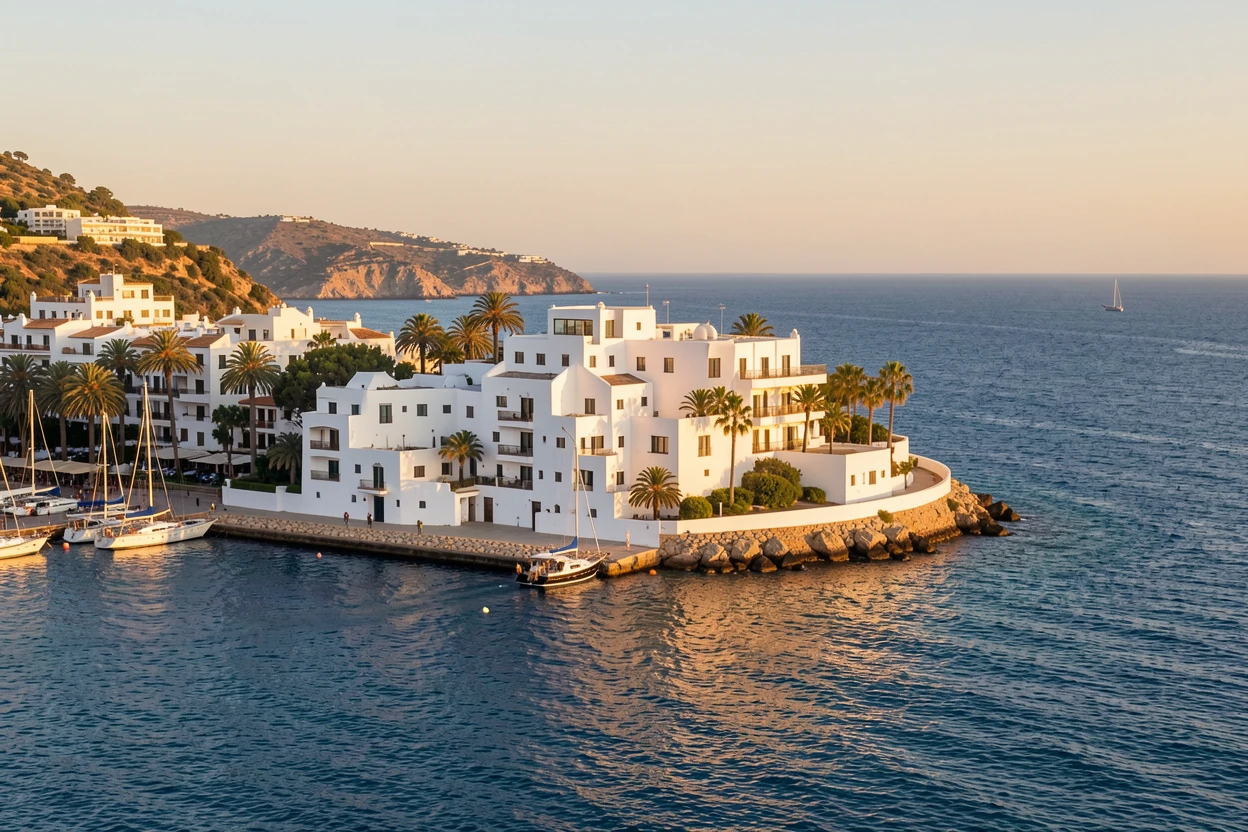
Three towns in one — a pretty pueblo, a busy beachfront and the playful Puerto Marina — plus a mountain cable car and a fairy-tale castle. A varied, family-friendly stop close to Málaga airport.
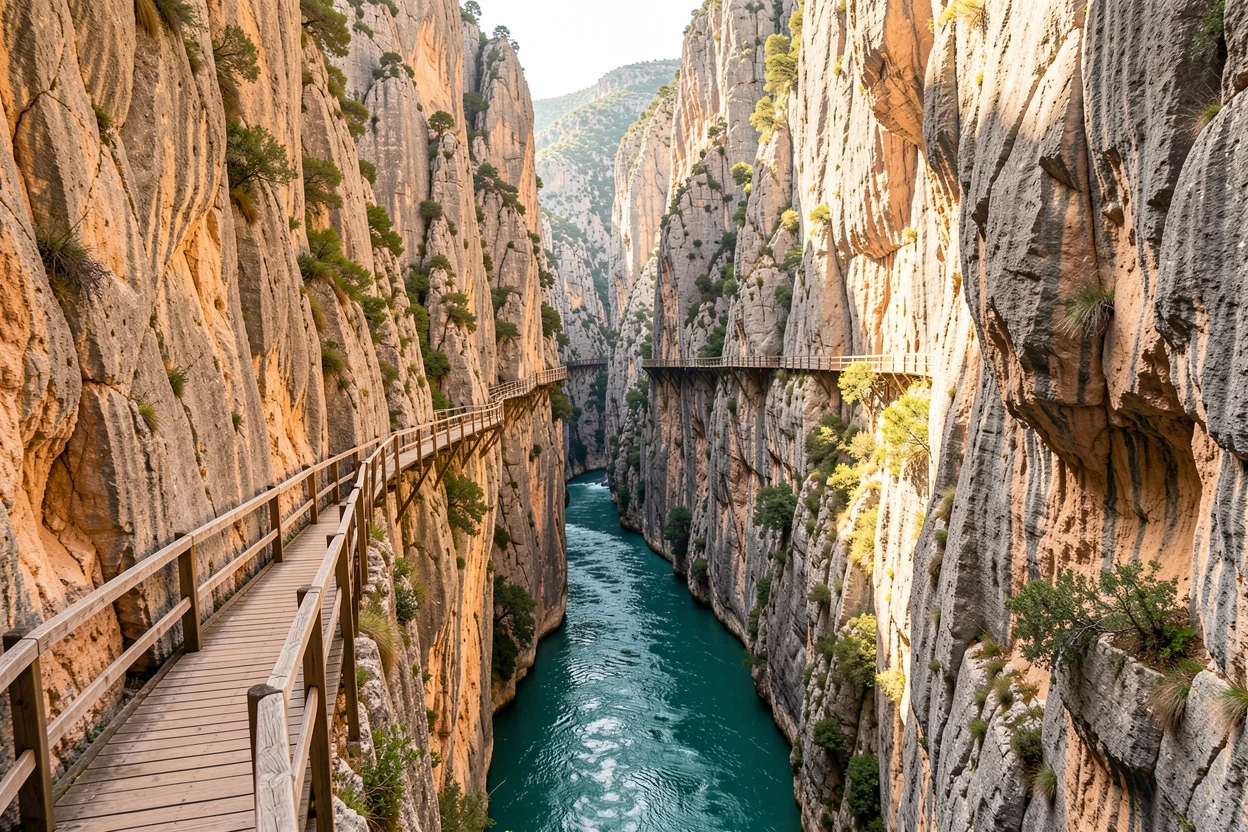
The famous cliff-hung walkway through the Gaitanes gorge is a one-way, two-entrance affair in the middle of nowhere — which makes a car by far the easiest way to do it, and turns the trip into a full lake-and-mountain day out.
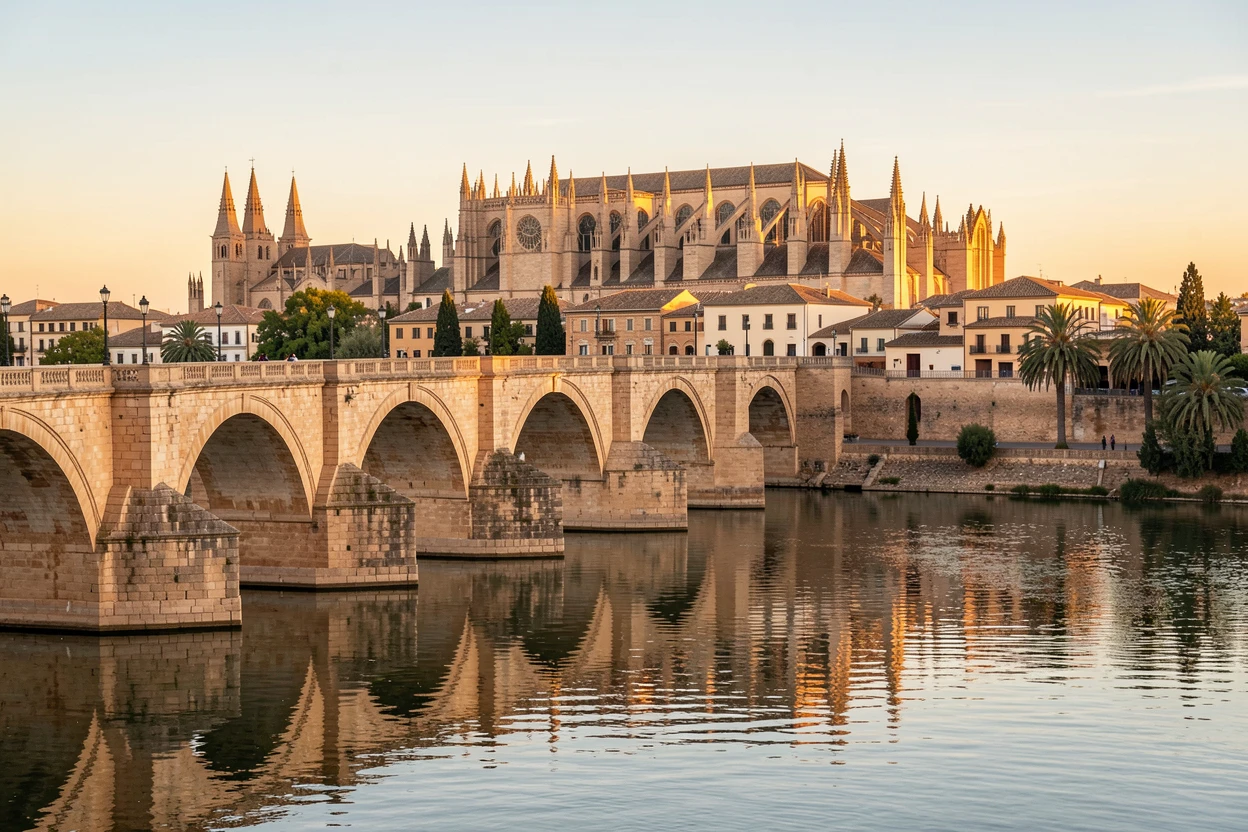
The Mosque-Cathedral, a maze-like Jewish quarter and Andalucía's most famous patios — under two hours from Málaga on the A-45, and far more rewarding when you control your own arrival time.