Seville by car: driving in, parking and day trips
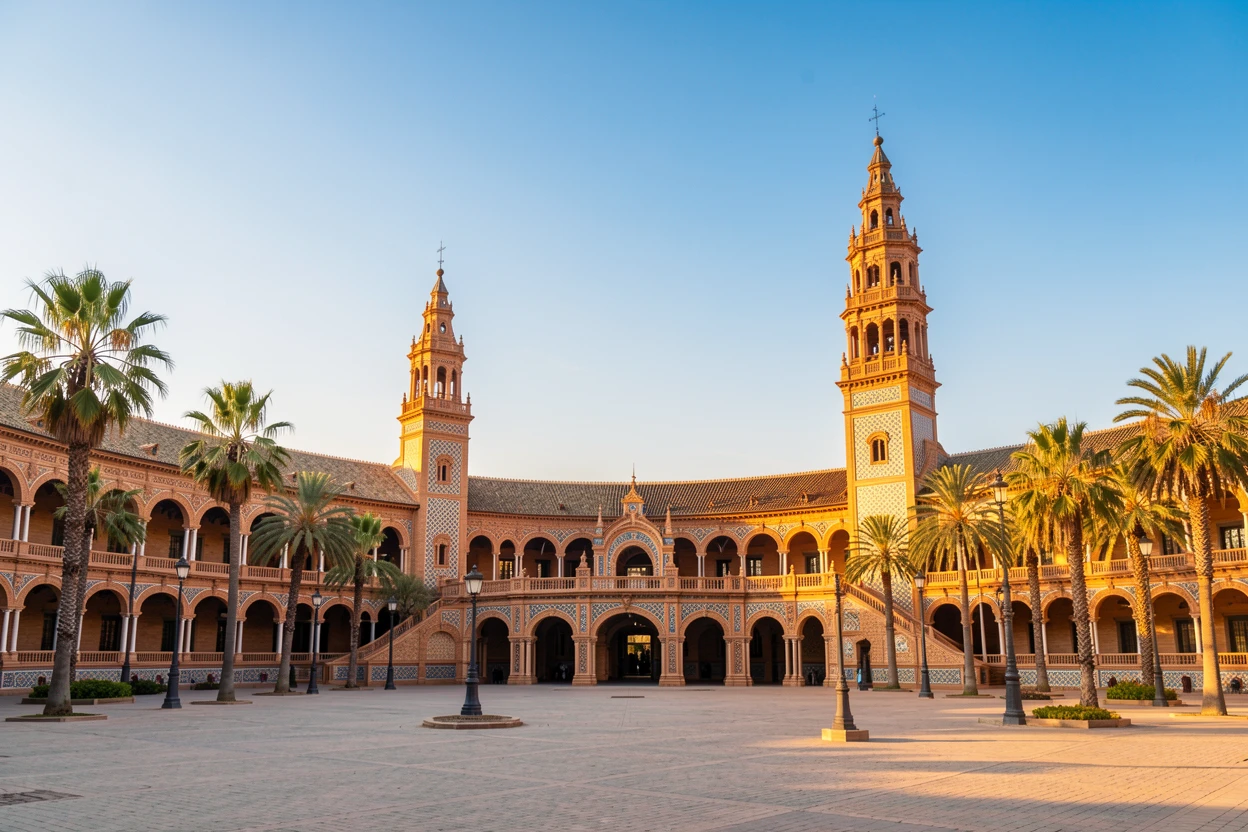
The Andalusian capital — cathedral, Real Alcázar and Plaza de España. Drive there on the fast A-92, park once on the edge of the old town, and explore the centre entirely on foot.
- The world's largest Gothic cathedral and the Giralda tower
- Real Alcázar — a royal palace of Mudéjar courtyards and gardens
- Plaza de España and the leafy María Luisa park
- Tapas crawls through Barrio Santa Cruz and Triana
- A car turns Córdoba, Carmona and Jerez into easy side trips
Getting to Seville by car
From Málaga and the airport it's around 210 km and roughly two and a quarter hours: take the A-45 north towards Antequera, then the A-92 west all the way to Seville — a fast, easy dual carriageway through rolling farmland. From Marbella you can either drop back to Málaga and pick up the same route, or make a day of it and climb the A-397 to Ronda, continuing on the quieter A-374 and A-375 across the sierra — a slower but far prettier road. Coming up from Cádiz or Jerez, the AP-4 motorway delivers you straight to the city's southern edge.
Driving in Seville: know before you go
Seville's historic centre is the largest old town in Spain, and it was never meant for cars: streets shrink to handlebar width, many are resident-only, and the city operates a low-emission zone (ZBE) with camera enforcement around the core. The sensible plan is simple — don't try to drive into the casco antiguo at all. Aim for the ring of wide avenues around it, drop the car, and treat Seville as a walking city, which is exactly what it is. The SE-30 ring road distributes traffic around the city; signage to the main car parks is good.
Where to park
Park once and forget the car. The old town is ringed by underground public car parks within a few minutes' walk of the sights — Plaza de Armas by the river on the west side and the car parks along Paseo de Colón near the bullring are the classics, with others around Plaza Nueva and the Prado de San Sebastián on the southern edge. They're paid but reasonably priced by big-city standards, and far cheaper than a fine or a scraped mirror. Free street parking realistically exists only outside the SE-30 ring; some hotels offer valet or partner garages, worth checking when you book.
What to see on foot
Start at the cathedral — the largest Gothic church in the world — and climb the Giralda, its minaret-turned-belltower, via ramps rather than stairs. Next door, the Real Alcázar layers Mudéjar courtyards, tiled salons and lush gardens; book tickets ahead in high season. Wander the orange-scented lanes of Barrio Santa Cruz, then walk south to the Plaza de España's grand curve of bridges and ceramic alcoves in María Luisa park. Cross the river to Triana for ceramics and tapas bars, and finish with the view from the Setas de Sevilla walkway at sunset.
Best time to visit
Spring and autumn are Seville at its best — warm, bright and made for walking. Semana Santa (Holy Week) and the Feria de Abril are spectacular but the city is packed and car parks fill early, so arrive first thing if you come then. July and August are seriously hot: this is one of the hottest cities in Europe, with afternoons regularly above 40 °C. If summer is your only window, do the sights early, take a long air-conditioned lunch, and save the riverside for after dark — the city comes alive again at night. Winter is mild, quiet and great value.
Day trips a car unlocks
Seville sits at the centre of western Andalucía's road network, which makes it a superb base with a car. Córdoba and its Mezquita are about an hour and a half away up the A-4. Carmona, a honey-coloured walled town, is barely 35 minutes; the Roman ruins of Itálica sit just outside the city at Santiponce. Head south and Jerez's sherry bodegas and the sea at Cádiz are around an hour on the AP-4. And if you're returning to the coast, routing home via Ronda turns the drive back to Marbella into a highlight of its own.
Day trip or overnight?
Seville works as a long day trip from the Costa del Sol — leave by 8:00, park at around 10:30, and you'll fit the cathedral, the Alcázar and a proper lunch before driving back in the evening light on the A-92. But the city rewards a night if you can spare one: the monuments empty in the late afternoon, the tapas bars only really get going after 21:00, and the floodlit Plaza de España with nobody in it is worth the hotel bill on its own. If you stay over, choose accommodation with parking or a partner garage and leave the car there the entire time — there is genuinely nothing in this city a car does better than your feet. One more practical note for drivers: the approach roads are well signed, but Sunday evenings see heavy return traffic on the A-92 towards Málaga, and around the big spring festivals the whole city's parking economy tightens — book a garage ahead where possible, arrive early, and treat the drive itself as the relaxed bookend of the day rather than a race.
Rent a car for Sevilla
Best explored by car. Compact automatic from €28/day — or pick any class.
Parking
The historic centre is a low-emission zone with resident-only streets — don't drive in. Use the underground car parks ringing the old town, such as Plaza de Armas or along Paseo de Colón, and walk everywhere from there.
Nearest pickup
Málaga Airport — 210 km
Routes through Sevilla
More places worth the drive
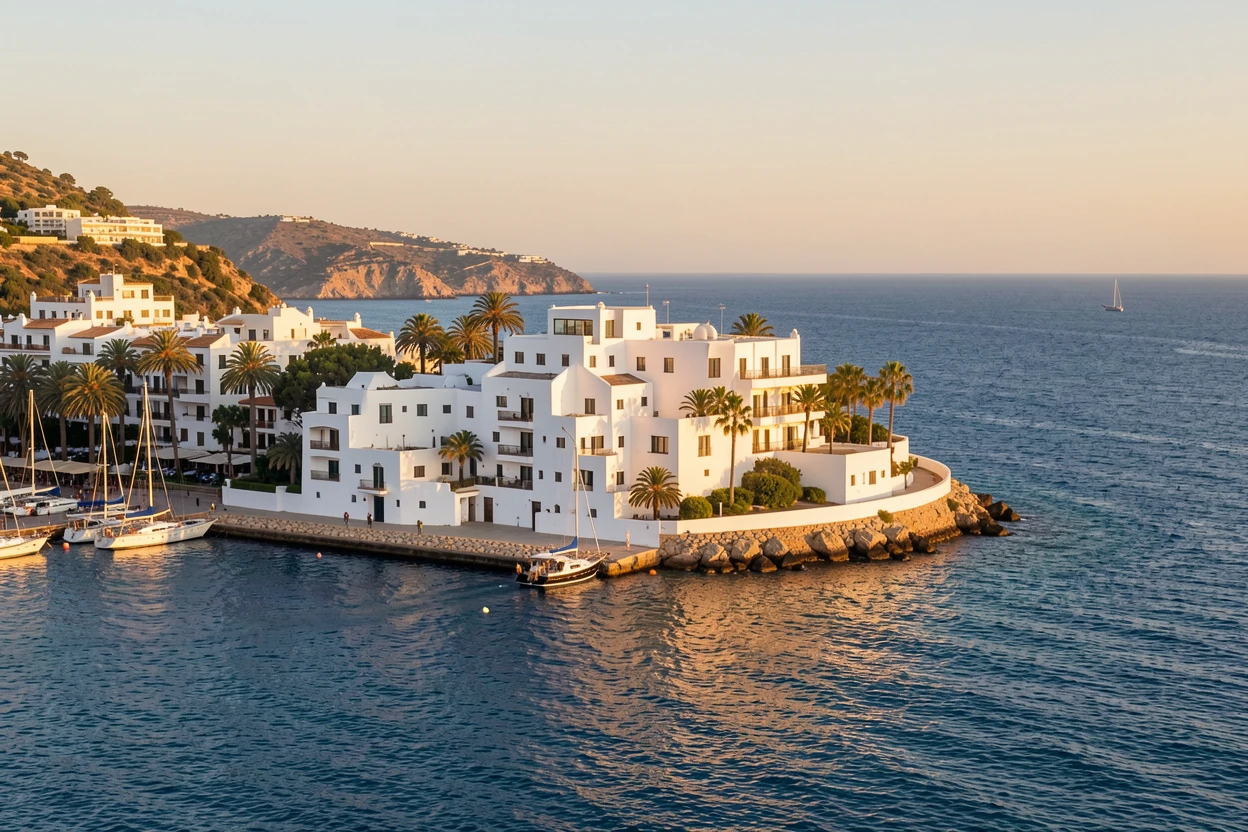
Three towns in one — a pretty pueblo, a busy beachfront and the playful Puerto Marina — plus a mountain cable car and a fairy-tale castle. A varied, family-friendly stop close to Málaga airport.
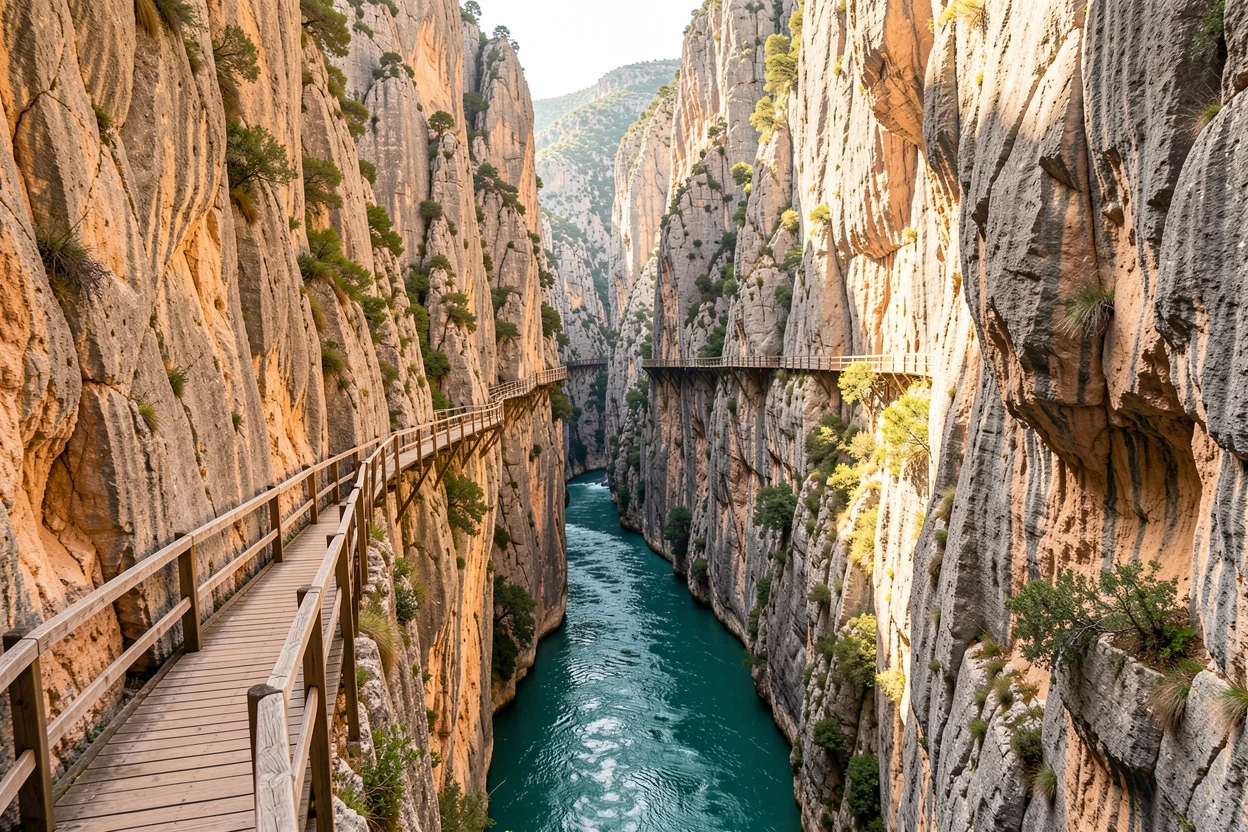
The famous cliff-hung walkway through the Gaitanes gorge is a one-way, two-entrance affair in the middle of nowhere — which makes a car by far the easiest way to do it, and turns the trip into a full lake-and-mountain day out.
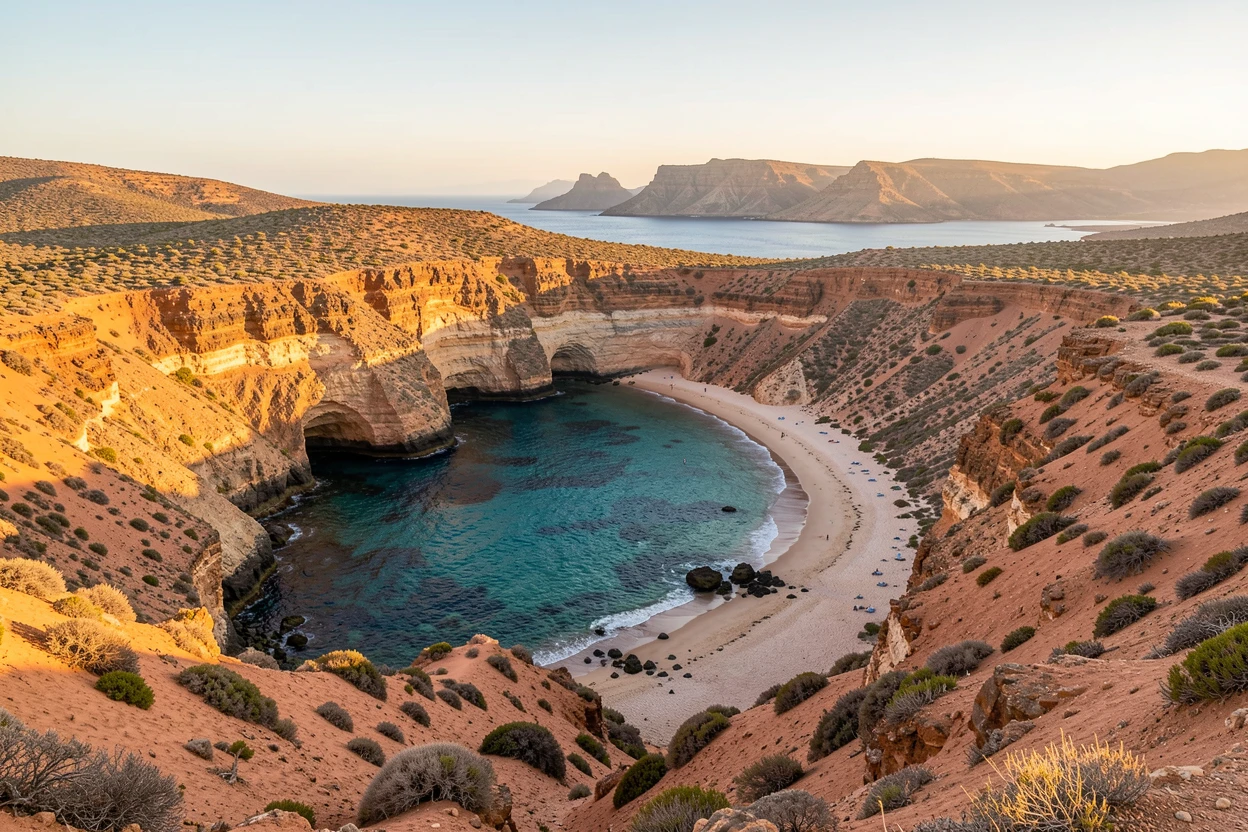
Volcanic headlands, empty coves and whitewashed fishing villages in Spain's driest corner. Public transport barely exists inside the park — Cabo de Gata is the definition of a road-trip destination.