Setenil de las Bodegas by car: the village under the rock
A white village literally built into a rock gorge — houses roofed by cliff, tapas bars in the shade of the overhang. Reachable only sensibly by car, and best combined with Ronda.
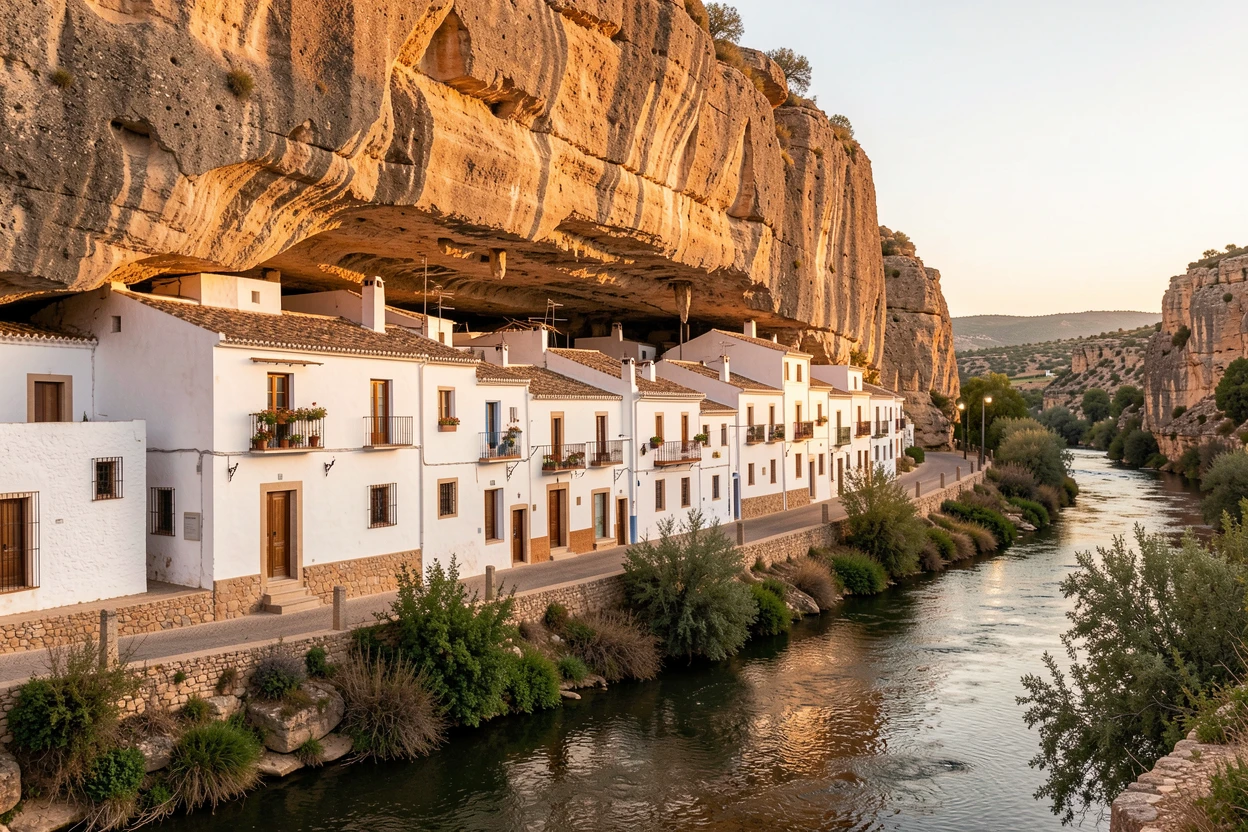
- Cuevas del Sol and Cuevas de la Sombra — streets roofed by the cliff itself
- Only 18 km from Ronda, perfect for a two-village day trip
- Tapas and local cured meats under the rock overhang
- Castle keep and church viewpoints over the whitewashed rooftops
- Scenic back-road drive through olive groves to get there
Getting to Setenil by car
From Málaga airport it's about 130 km and roughly two hours: take the A-357 inland past Ardales, join the A-367 towards Ronda, then follow the signs to Setenil along the CA-4222 country road. From Marbella, climb the A-397 mountain road to Ronda first — about an hour of sweeping bends and big views — and continue from there. Most visitors see Setenil and Ronda on the same day, since they're only around 18 km apart. The final stretch winds through olive groves and farmland; nothing technical, just narrow in places, so take it slow and be ready to pull in for oncoming cars.
Where to park in Setenil
Setenil is the one white village where parking discipline really matters. The lower streets along the river are built under the rock and shrink to a single car's width, with blind corners and nowhere to turn around — don't drive down there. Instead, park in the upper part of the village: there are signed open-air car parks near the castle quarter and along the road in from Ronda, all a short downhill walk from the famous streets. On weekends and Spanish holidays spaces fill by late morning, so arrive before 11:00 or come after 16:00. Wear comfortable shoes — the walk back up is steep.
What to see in the village
Setenil's signature streets face each other across the little Río Trejo: Cuevas del Sol, the sunny side, and Cuevas de la Sombra, where the rock overhang keeps the whole lane in shade. Houses here weren't carved into the cliff — they were simply built underneath it, using the rock as a ready-made roof. Climb through the whitewashed lanes to the keep of the medieval fortress and the church of La Encarnación for views over the rooftops, then work your way back down for tapas under the overhang; the village is known for its cured meats and hearty mountain cooking. Two hours on foot covers it comfortably.
Why a car is the only sensible way
Setenil sits in the hilly border country between the provinces of Cádiz and Málaga, and public transport is sparse — reaching it by bus means connections and long waits, and there's no train. With a rental car you can arrive early before the day-trip groups, stay for a late lunch, and chain several villages into one relaxed loop instead of committing your whole day to a single stop. The drive itself is part of the reward: rolling olive country, grazing land and rock outcrops the whole way in. A compact car is ideal here — easier on the narrow approach and in the car parks.
Best time to visit
Setenil works year-round, which is rare for the inland villages. Spring and autumn bring the best light and walking temperatures. In high summer the gorge has a trick up its sleeve: Cuevas de la Sombra stays naturally cool under the rock even on hot afternoons, though you'll still want to avoid the midday climb back to the car. Winter days are often bright and quiet. Whatever the season, mornings are calmer — weekend coach groups tend to land between noon and mid-afternoon — and morning sun is when the Cuevas del Sol side glows for photos.
Combine it with Ronda and the white villages
The classic day by car pairs Setenil with Ronda, just 18 km away — see Ronda's gorge and bridge in the morning, then lunch under the rock in Setenil, or the other way around to dodge the crowds. En route you can detour to the Roman ruins of Acinipo (Ronda la Vieja) on their windswept plateau, and with an earlier start Olvera's castle-topped skyline makes a fine third stop. From either village it's an easy run back down to Marbella or Málaga on the A-397 or A-367, arriving on the coast in time for dinner.
Practical tips for your visit
A few small things make the day smoother. Fill the tank before you leave the coast — fuel stations are spread thin in the sierra, and hunting for petrol on country roads is nobody's idea of a holiday. Don't follow your navigation blindly either: GPS apps love to send drivers down the narrow lanes towards the "centre", so ignore the robot and follow the signed car parks instead. In summer, carry water and a hat — the car parks sit in full sun even while the shaded streets below stay cool. Eat on the early Spanish side, around half past one, before the terraces under the rock fill up with day-trippers, and carry a little cash: some of the smaller bars prefer it. The village is steep, so this isn't the easiest stop for anyone with limited mobility — though the best of it can still be seen from the flatter streets along the river. Finally, weekdays are dramatically quieter than weekends; if your travel plans are flexible, a Tuesday in Setenil feels like a different village from a Saturday.
Rent a car for Setenil de las Bodegas
Best explored by car. Compact automatic from €28/day — or pick any class.
Parking
Never drive down into the gorge — the lanes narrow to a single car. Park in the signed lots in the upper village near the castle quarter and walk down.
Nearest pickup
Málaga Airport — 130 km
Routes through Setenil de las Bodegas
More places worth the drive
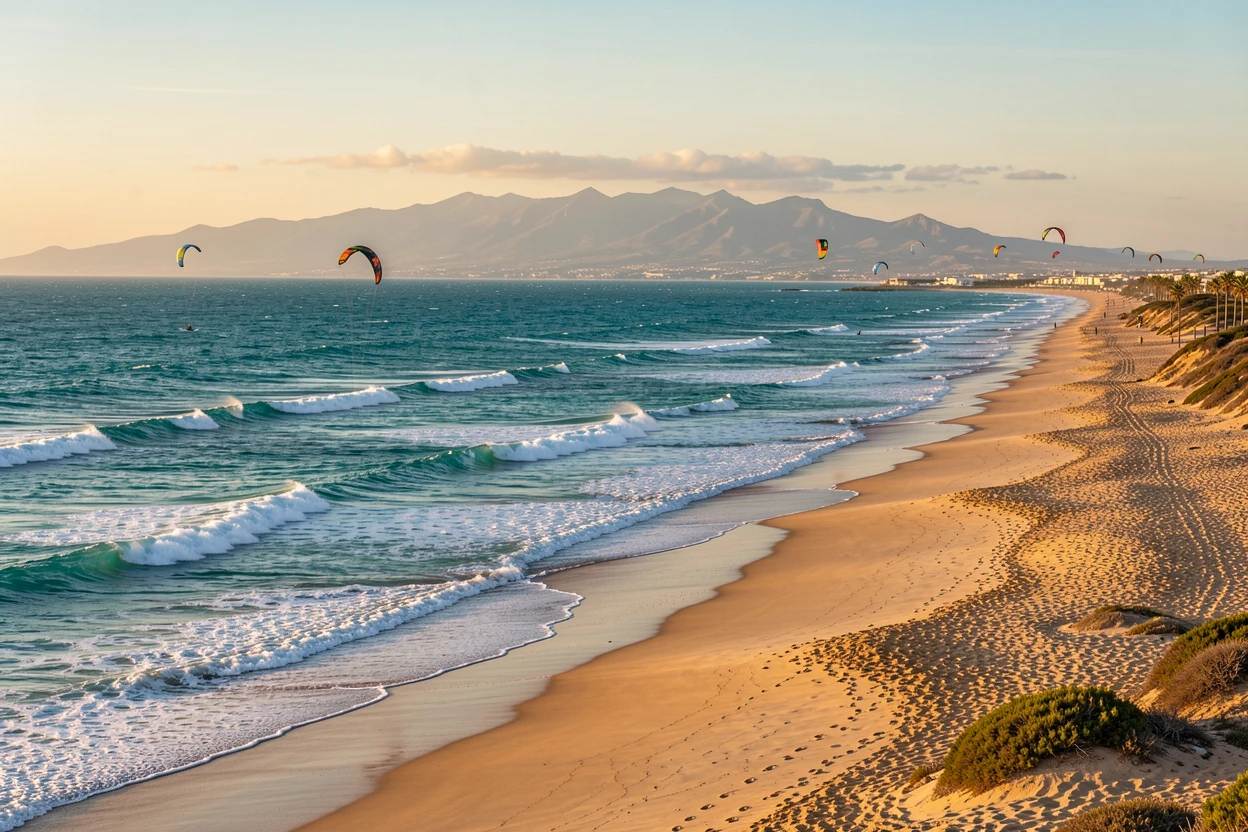
Europe's southernmost town: a whitewashed old quarter staring across the Strait at Morocco, backed by kilometres of wild Atlantic sand. Public transport is thin — this is car country.
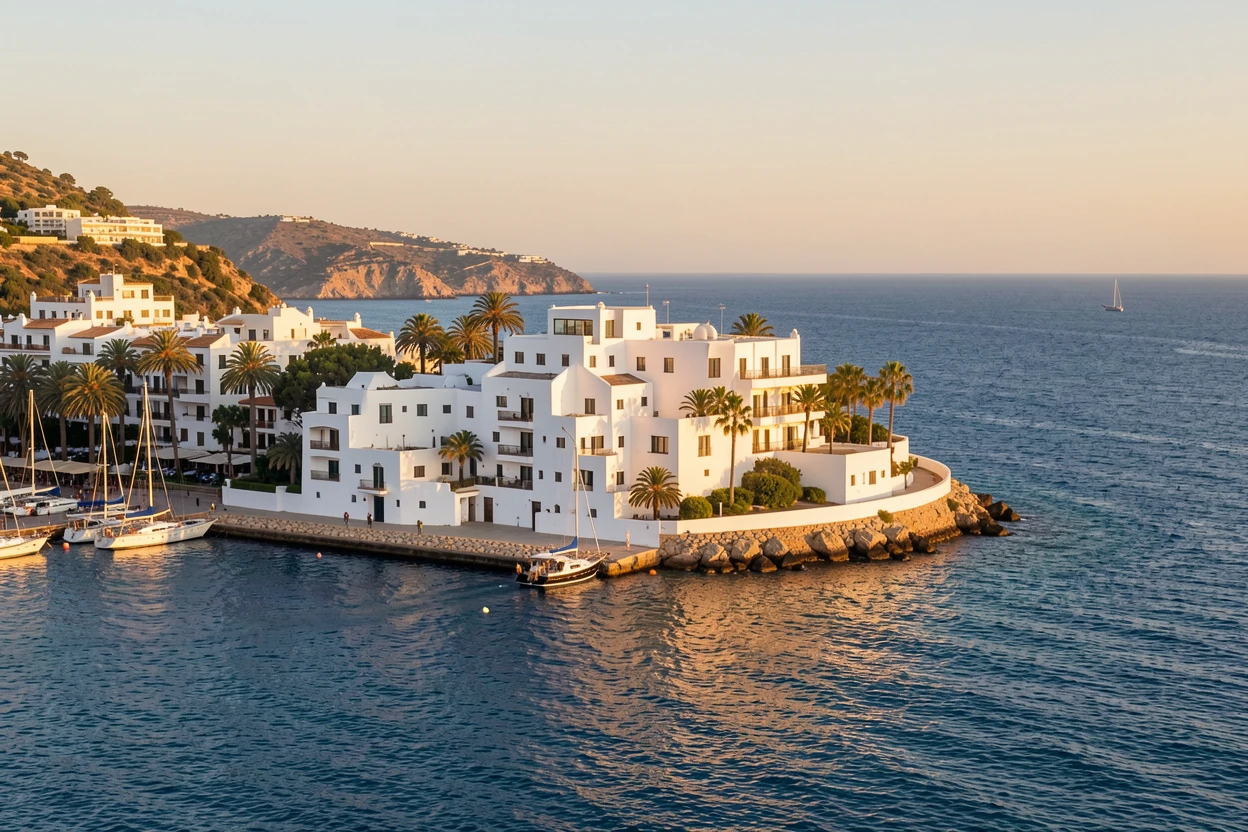
Three towns in one — a pretty pueblo, a busy beachfront and the playful Puerto Marina — plus a mountain cable car and a fairy-tale castle. A varied, family-friendly stop close to Málaga airport.
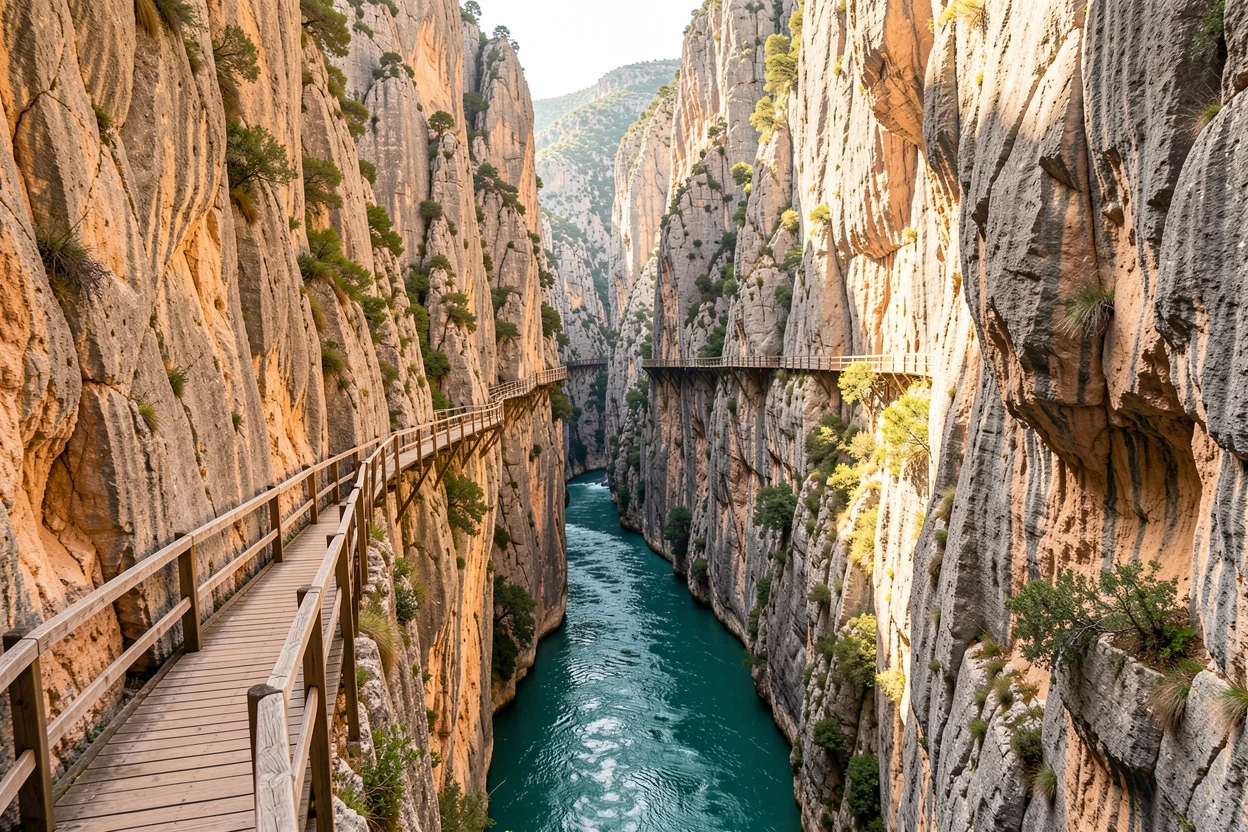
The famous cliff-hung walkway through the Gaitanes gorge is a one-way, two-entrance affair in the middle of nowhere — which makes a car by far the easiest way to do it, and turns the trip into a full lake-and-mountain day out.