Mijas Pueblo by car: the white village above the coast
A whitewashed village perched 400 metres above the Costa del Sol, twenty minutes up the hill from Fuengirola — postcard lanes, sweeping sea views and an easy first taste of white-village Andalusia.
- Panoramic coast views from the village miradores
- Whitewashed lanes hung with flowerpots — the classic pueblo blanco
- The tiny hillside bullring and the chapel carved into the rock
- Only 30 km from Málaga — the easiest white village to reach
- Perfect half-day trip to pair with Marbella or Fuengirola

Getting to Mijas Pueblo by car
Mijas Pueblo — the hilltop village, as opposed to the coastal sprawl of Mijas Costa below — sits about 430 metres up the mountainside behind Fuengirola. From Málaga or the airport, take the A-7 west and then the A-387, which climbs to the village in around fifteen minutes of wide, well-engineered bends; the whole trip is roughly 30 km and half an hour. From Marbella it's a similar story in reverse: A-7 east to Fuengirola, then up. The climb is gentle enough for any rental car and short enough that even nervous mountain drivers will barely notice it — just give space to the road cyclists who love this hill on weekend mornings.
Where to park in Mijas
This is one village where the parking answer is genuinely simple: drive straight to the multi-storey Virgen de la Peña car park at the entrance to the village, beside the main square, and forget the car until you leave. Everything in Mijas Pueblo is within a few minutes' walk of it. Don't be tempted to nose into the village lanes looking for something closer — they are narrow, one-way and mostly lead you straight back out again. On peak days in summer and around holiday weekends the main car park and the signed overflow areas can fill by late morning, which is one more argument for arriving early.
What to see in the village
Mijas is compact and best treated as one slow loop. Start at the Plaza Virgen de la Peña and find the Ermita de la Virgen de la Peña, a tiny chapel hollowed out of the rock itself. Wander up through the whitewashed lanes — Calle San Sebastián, hung with flowerpots, is the most photographed street — to the miniature bullring, unusual for its almost oval shape, and the gardens beside it that hang over the hillside. The miradores are the real event: on a clear day the view sweeps along the coast and out across the Mediterranean. Allow two to three unhurried hours, plus lunch.
Why a car beats the coach tour
Mijas is on almost every Costa del Sol excursion itinerary, which means coaches unload from mid-morning and the central lanes get crowded around midday. With your own car you simply sidestep the rush: arrive before ten, when the village still belongs to its residents and the light on the white walls is at its best, or come in the late afternoon as the buses pull out. A car also turns Mijas into what it really is — a superb half-day — instead of a fixed forty-five-minute stop, and lets you continue along the mountain road towards Alhaurín or drop back to the coast whenever you're ready.
Best time of day and season
Morning is the magic slot: cool air, empty lanes and the coast views at their clearest before any haze builds. Late afternoon runs it close, with softer light and the day-trip crowds gone. Mijas works year-round — its altitude takes the edge off summer heat, and winter days are often bright and mild — but spring is special, when the flowerpots on the white walls are in full colour. In July and August plan around the middle of the day: see the village early, take a long lunch in the shade, and be back on the coast for a swim by mid-afternoon.
Mijas Costa: the beach half of Mijas
Mijas is really two places. The pueblo is the postcard, but the municipality also runs right down to the sea, where Mijas Costa stretches for kilometres between Fuengirola and Marbella. Its best-known corner is La Cala de Mijas, a former fishing village grown into a relaxed beach town with a long sandy shore, an old watchtower and a low-key strip of seafront restaurants — noticeably calmer than the bigger resorts on either side of it. With a car, the two halves make a natural pair: the village in the cool of the morning, then twenty minutes downhill for an afternoon on the sand and dinner by the sea. That flexibility is something no coach itinerary offers, and it turns Mijas from a photo stop into a genuinely rounded day out. If you're staying along Mijas Costa, the pueblo also makes an easy repeat visit — close enough to drive back up just for dinner and the evening view of the coast lit up below.
Combining Mijas with nearby stops
Half a day in Mijas pairs naturally with the coast below: Fuengirola's long promenade is fifteen minutes downhill, and Marbella with its old town and Puerto Banús is around half an hour west on the A-7. For a full white-village day, see Mijas early and then carry on to Ronda via the coast and the A-397 mountain road — the two villages bookend the experience nicely, small and easy first, dramatic and clifftop second. Benalmádena Pueblo, another pretty hillside village just along the mountainside, makes a quieter alternative pairing if you'd rather stay close.
Rent a car for Mijas
Best explored by car. Compact automatic from €28/day — or pick any class.
Parking
Head straight for the multi-storey Virgen de la Peña car park at the village entrance and walk from there — the village lanes are narrow, one-way and not worth attempting. On busy days the signed overflow areas fill by late morning.
Nearest pickup
Málaga Airport — 30 km
Routes through Mijas
More places worth the drive
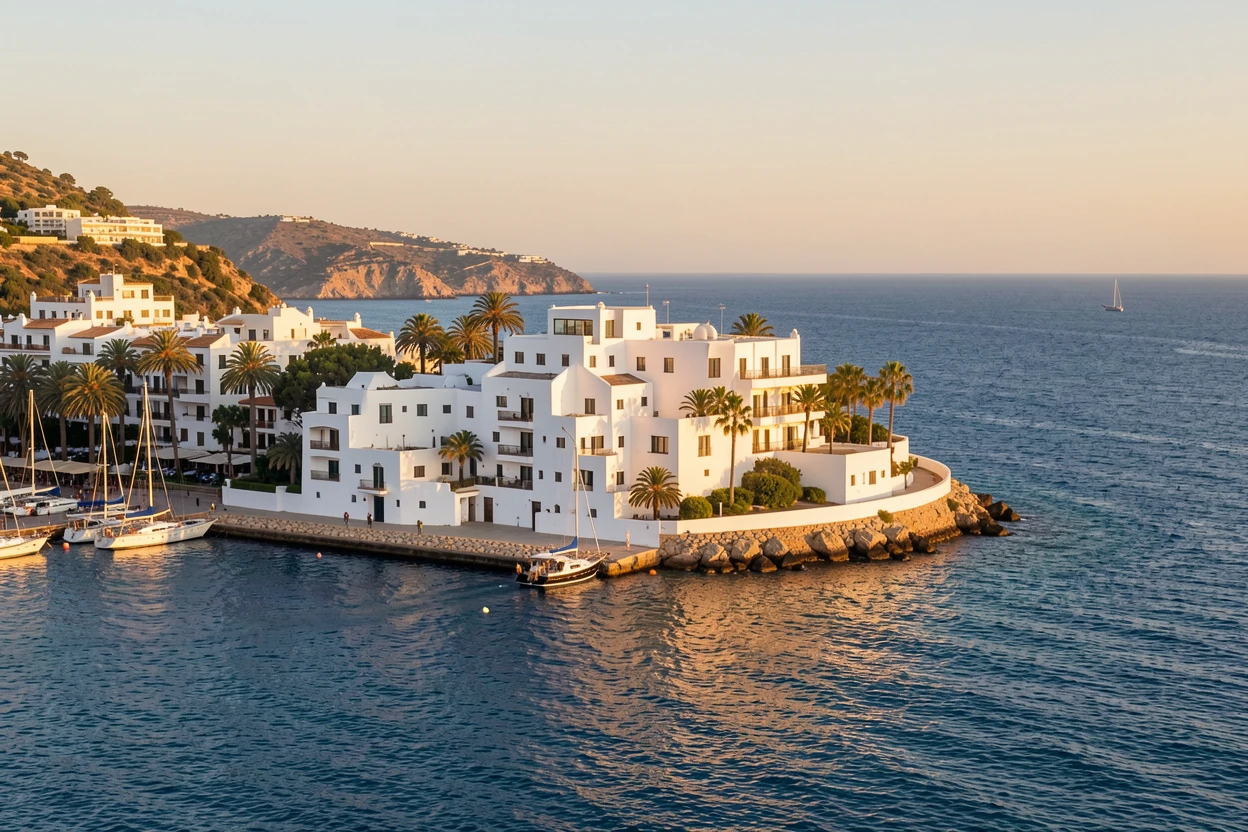
Three towns in one — a pretty pueblo, a busy beachfront and the playful Puerto Marina — plus a mountain cable car and a fairy-tale castle. A varied, family-friendly stop close to Málaga airport.
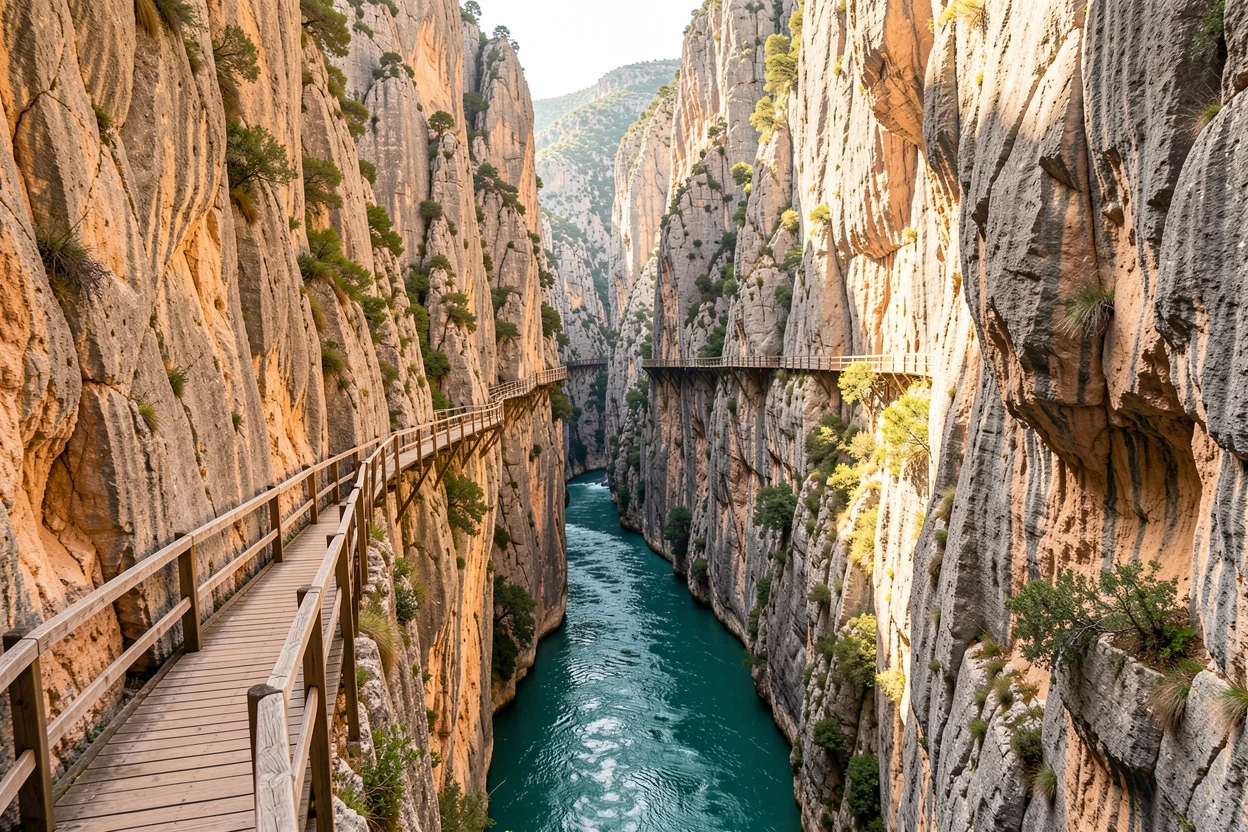
The famous cliff-hung walkway through the Gaitanes gorge is a one-way, two-entrance affair in the middle of nowhere — which makes a car by far the easiest way to do it, and turns the trip into a full lake-and-mountain day out.

A cascade of whitewashed lanes above Nerja, regularly voted among Spain's most beautiful villages. The catch: it clings to a hillside with no through road — so arriving by car, early, at the right car park is half the visit.